💞 LOVE BLOCKS QUIZ RESULT: 💞
Walls of Protection Block
Here's exactly what that means... and what to do about it
I know how exhausting it is to want love while simultaneously keeping everyone at arm's length.
You crave connection, but the moment someone gets close, your entire body screams "danger."

You're not being difficult. You're not sabotaging yourself on purpose.
Your nervous system learned to protect you... and now it's protecting you from the very thing you want most.
I'm Matthew Coast, and I've helped thousands of women break through the Walls of Protection Block and finally feel safe enough to let love in again.
Let me show you exactly what's happening—and how to fix it.
Here's What Walls of Protection Block Really Means
The Walls of Protection Block is when you genuinely want love and partnership, but your body has decided that vulnerability equals danger.
So every time someone tries to get close... every time you start to feel something real... your system throws up walls.
You pull back. You go cold. You find reasons why this person isn't right. You create distance before they can hurt you.
It's not conscious. It's not a choice you're making with your rational mind.
It's your nervous system doing exactly what it was trained to do: keep you safe from being hurt again.
If You've Been Hurt Before
Maybe you've been through a painful breakup, a betrayal, or a relationship that left you feeling abandoned or invisible.
Your heart might be ready to try again. Your mind might know, logically, that not everyone will hurt you.
But your body? Your body remembers what happened last time you let your guard down.
And now it's hypervigilant, scanning for danger, waiting for the other shoe to drop.
You want to be open. You want to trust. You want to let someone in.
But the moment you start to feel vulnerable, your chest tightens. Your breath gets shallow. Every instinct screams "protect yourself."
So you do.
You create distance. You keep things surface-level. You don't let anyone see the real you because the real you got hurt... and your body is determined not to let that happen again.
If You're Trying to Date Again
Maybe you're putting yourself out there. Swiping. Going on dates. Saying yes when someone asks you out.
But even when you meet someone who seems great... someone kind, interested, emotionally available... you can't seem to let them in.
The conversations stay polite but distant. You don't share much. You keep the tone light and superficial.
And when they text, you feel a spike of anxiety instead of excitement.
When they want to make plans, you feel trapped instead of interested.
When they try to go deeper, ask real questions, or show genuine interest in who you are... you shut down.
Not because you don't like them. Not because they did anything wrong.
But because your nervous system has labeled intimacy as a threat.
You Might Recognize This As...
The pattern of pulling away just when things start to feel real: The relationship is going well. He's consistent. He's kind. He's showing up. And suddenly you feel the urge to run, to sabotage, to create distance before he gets too close.
Finding deal-breaker flaws that aren't really deal-breakers: You focus on minor incompatibilities and blow them up into reasons why "this will never work"... even though deep down, you know you're just scared.
Being attracted to unavailable people: You're drawn to men who are emotionally distant, noncommittal, or inconsistent... because they feel safer than someone who actually wants to be close to you.
Keeping conversations surface-level even when you want to go deeper: You share facts about yourself but not feelings. You talk about your day but not your fears, hopes, or what you actually care about.
Feeling trapped or suffocated when someone shows genuine interest: His texts feel like pressure. His desire to spend time with you feels overwhelming. His questions feel invasive even though they're perfectly normal relationship questions.
Testing people to see if they'll leave: You push them away, act cold, create conflict, or withdraw emotionally... waiting to see if they'll abandon you like you're convinced everyone eventually will.
Sabotaging good relationships because you don't trust that they'll last: You end things before they can end you. You create the very abandonment you're terrified of because at least this way, you're in control.
Does this sound familiar?
You're not trying to be difficult. You're not commitment-phobic or incapable of love.
You just learned, somewhere along the way, that letting people in leads to pain.
And your body is trying to protect you the only way it knows how: by keeping everyone at a safe distance.
The problem is, that distance is also keeping out the connection, intimacy, and love you actually want.
If this resonates, I want you to know something important: You're not broken.
Your nervous system is doing exactly what it was designed to do—protect you from perceived threats.
The issue is that it's now treating love, vulnerability, and closeness as threats... even when they're not.
The Real Reason This Keeps Happening (It's Not What You Think)
Most women think the Walls of Protection Block happens because:
- They have trust issues... if they could just learn to trust again, they'd be able to let someone in
- They haven't met the right person yet... if they found someone truly safe, their walls would come down naturally
- They're not ready for a relationship... they just need more time to heal before they can try again
- They're damaged from past relationships... the hurt was so deep that they'll never be able to fully open up again
But here's what's actually happening:
The Walls of Protection Block doesn't exist because you haven't healed emotionally or because you haven't met the right person.
It exists because your nervous system is stuck in a protective state... and until you teach your body that it's safe to be vulnerable, no amount of mental understanding will change how you react.
The Truth Most People Don't Understand
Here's the truth most people don't understand about walls and protection:
Your walls aren't in your mind. They're in your body.
When you've been hurt, betrayed, or abandoned... whether once or repeatedly... your nervous system learns to stay on guard.
It treats vulnerability like a threat. It braces against closeness. It creates distance before you can be hurt again.
And even after you've processed what happened, even after you've "done the work" and understand why you feel this way... your body is still operating from that old protective pattern.
You can know, intellectually, that this new person isn't your ex.
You can understand, logically, that not everyone will hurt you.
You can want, desperately, to let someone in.
But if your nervous system hasn't gotten the message that it's safe to be vulnerable... you'll keep putting up walls without even realizing you're doing it.
Why Common Advice Doesn't Work (Or Makes It Worse)
"Just trust again—not everyone is like your ex"
This assumes the problem is mental, not somatic. But you can't think your way into feeling safe. Your body has to experience safety at a nervous system level before trust becomes possible.
"Give it time—you'll heal eventually"
Time alone doesn't heal a dysregulated nervous system. Without active regulation practices, your body stays stuck in the same protective pattern indefinitely.
"Push yourself to be vulnerable even when it feels scary"
Forcing vulnerability before your nervous system feels safe often backfires. You either shut down completely or create more anxiety around intimacy, reinforcing the belief that closeness is dangerous.
"Find someone patient who will wait for you to open up"
Even the most patient, safe person can't override a nervous system in protection mode. You'll either keep them at arm's length forever or push them away entirely—not because they're wrong for you, but because your body won't let them in.
None of these strategies address what's actually creating the Walls of Protection Block.
Here's What's Actually Happening Beneath the Surface
Your nervous system has two jobs: keep you alive and keep you safe.
When you've been hurt in relationships, your system learns that emotional vulnerability leads to pain.
So it develops a strategy: create distance before you can be hurt again.
This shows up as:
Hypervigilance in relationships: Constantly scanning for signs that this person will hurt you, leave you, or turn out to be just like the last one.
Emotional numbing or shutdown: When someone gets too close, you go flat, detached, or disconnected—your body's way of protecting you from feeling too much.
Self-sabotage and withdrawal: Pulling away just when things are going well, creating conflict to push them away, or ending things before they can end you.
Attraction to unavailable people: Gravitating toward people who won't get close enough to hurt you, because emotionally distant feels safer than emotionally present.
This isn't happening because you're difficult, broken, or incapable of love.
It's happening because your body is trying to keep you safe... using strategies that once protected you but now keep you isolated.
When You Don't Know How to Signal Safety to Your Nervous System
When you don't have tools to regulate your nervous system and teach your body that vulnerability is safe, your protective patterns become:
Automatic: You don't choose to pull away—it just happens. You don't decide to go cold—your body does it for you.
Rigid: You can't override the walls even when you want to. You see a good person in front of you and you still can't let them in.
Exhausting: You're constantly fighting yourself. Part of you wants closeness; another part is slamming the door shut. The internal conflict drains you.
Relationship-destroying: Good people leave because they can't get close. Potential partners give up. You end up alone even though being alone is the last thing you actually want.
This Isn't Just About Dating
The Walls of Protection Block isn't just about struggling to let romantic partners in.
This is about your nervous system being stuck in a state that treats vulnerability as a threat in all areas of your life.
Without tools to shift out of protection mode and into connection mode, you'll:
- Keep everyone at surface level, never letting anyone see the real you
- Avoid deep friendships because emotional intimacy feels dangerous
- Struggle to ask for help or admit when you're struggling
- Present a "fine" version of yourself while feeling lonely and disconnected inside
But when you learn to regulate your nervous system and teach your body that it's safe to be vulnerable, everything changes.
You'll be able to let people in without your system red-lining. You'll be able to stay present in moments of emotional intimacy instead of shutting down or running.
Why This Gets Worse If You Don't Address It Now
Right now, you're still trying. You're still putting yourself out there, hoping that maybe this time will be different.
But if you don't learn how to shift your nervous system out of protection mode, here's what happens:
Two weeks from now: You've met someone who seems great, but you're already finding reasons to pull back. You're going cold over text. You're avoiding making plans. You can feel yourself doing it, but you can't seem to stop.
One month from now: Either you've pushed this person away entirely, or you're keeping them at such a distance that the relationship feels hollow and unsustainable. You're frustrated with yourself but don't know how to change the pattern.
Three months from now: You've given up on dating entirely because it feels pointless. Every time you try, the same thing happens—you meet someone, things start to feel real, and you sabotage it. You're starting to believe you're incapable of real intimacy.
Six months from now: You've convinced yourself you're better off alone. You've stopped trying to let anyone in. You tell yourself you prefer solitude, but the truth is, you're lonely—and you're terrified you'll stay this way forever.
A year from now: The walls have become so automatic and so thick that you don't even notice them anymore. You've accepted loneliness as your reality. You've stopped believing that real connection is possible for you.
The Emotional Damage Keeps Building
Every time you pull away from someone who could have been good for you, it reinforces the belief that you're broken, difficult, or incapable of love.
You start to believe the walls are who you are. You convince yourself you're just "not a relationship person" or that you're "too independent" to need anyone—when really, you're just scared.
You lose hope that you'll ever feel safe enough to let someone in. You watch other people fall in love and wonder what's wrong with you. Why can't you do what seems to come naturally to everyone else?
You become more isolated. The walls that were supposed to protect you from pain end up creating a different kind of pain—the pain of loneliness, disconnection, and feeling fundamentally alone.
You settle for surface-level relationships. You surround yourself with people who don't really know you, have casual relationships that never go deep, or stay single while convincing yourself you prefer it that way.
The Practical Consequences Are Just As Bad
You miss out on relationships that could have been beautiful. Good people walk away because they can't get close. Potential partners give up because you keep pushing them away. You lose opportunities for real love—not because the people weren't right, but because your walls wouldn't let them in.
You waste years in a pattern you can't seem to break. Date after date, relationship after relationship, the same cycle repeats: meet someone, start to feel something, pull away, end it, repeat.
You develop unhealthy relationship patterns. Either staying alone when you don't want to be, or cycling through shallow relationships that never feel real, or gravitating toward unavailable people because they're the only ones who feel safe.
You lose trust in yourself. When you keep sabotaging your own happiness, you start to believe something is fundamentally wrong with you—that you're too damaged, too difficult, too scared to ever have what you want.
Here's the Honest Truth About Trajectory
The longer your nervous system stays in protection mode, the more entrenched the pattern becomes.
Your walls get thicker. Your window of tolerance gets narrower. The distance you need to feel safe gets wider.
Every time you pull away reinforces the neural pathway. Every time you sabotage a good thing teaches your body that closeness equals danger.
And eventually, you stop even trying... because it hurts less to be alone than to keep failing at letting people in.
But here's what you need to know: You don't have to stay stuck here.
The walls aren't permanent. The protection isn't who you are. Your nervous system can learn a new pattern.
I'm not telling you this to scare you.
I'm telling you because you deserve to know what's really at stake... and because once you understand the truth, you can change course.
The 3 Biggest Mistakes Women Make When Dealing With Walls of Protection Block
When you're struggling to let people in, your instinct is to either push through the fear, wait until you feel ready, or give up entirely.
But unfortunately, most of what women try actually reinforces the walls instead of dissolving them.
Here are the three biggest mistakes I see:
Mistake #1: Trying to Think Your Way Into Feeling Safe
This looks like understanding why you have walls, analyzing where they came from, journaling about your fears, talking through your past relationships in therapy, and telling yourself "not everyone will hurt me."
Why women do this:
You think if you understand the root cause of your walls, they'll naturally come down.
You've been told that "awareness is the first step to healing."
You believe that once you process what happened, you'll be able to trust again.
Why it backfires:
Your walls aren't in your mind—they're in your nervous system.
You can understand, intellectually, that this person is safe... but if your body is in threat mode, it doesn't matter what you know.
Insight without nervous system regulation just leaves you aware of the problem but unable to change it.
What actually happens:
You know exactly why you pull away, but you keep doing it anyway.
You can articulate your patterns perfectly but can't seem to break them.
You understand the psychology but your body still reacts from fear when someone gets close.
You end up frustrated because you "know better" but can't seem to act differently.
Mistake #2: Forcing Yourself to Be Vulnerable Before Your Body Feels Safe
This looks like pushing yourself to open up even when everything in you is screaming to pull back. Sharing deep feelings before you're ready. Staying in situations that make you want to run. Trying to "push through" the discomfort of intimacy.
Why women do this:
You think the only way past fear is through it.
You've been told you need to "be brave" and "take risks" in relationships.
You believe if you can just force yourself to be vulnerable enough times, it will eventually feel natural.
Why it backfires:
When you force vulnerability before your nervous system is regulated, you either retraumatize yourself or reinforce the belief that closeness is dangerous.
Your body goes into overwhelm, shutdown, or panic—and then associates vulnerability with those terrible feelings.
Instead of building trust, you're teaching your system that letting people in leads to dysregulation and distress.
What actually happens:
You open up too much too fast, then completely shut down afterward.
You share something vulnerable, immediately regret it, and pull away for weeks.
You push yourself to stay in moments of closeness even when your system is screaming, and then you crash—emotionally exhausted, numb, or disconnected.
You create a pattern of extremes: oversharing followed by total withdrawal, intimacy followed by distance.
Mistake #3: Waiting Until You "Feel Ready" to Let Someone In
This looks like telling yourself you'll be open to love once you've healed more, done more therapy, or reached some undefined state of readiness. Keeping everyone at arm's length until you "feel better." Believing that someday, the walls will just naturally dissolve on their own.
Why women do this:
You don't want to hurt anyone by pulling away, so you think it's kinder to wait until you're "fixed."
You believe time alone will heal your nervous system and eventually you'll wake up feeling ready for intimacy.
You're convinced that the right person will make you feel safe enough to drop your walls without effort.
Why it backfires:
Your nervous system doesn't heal in isolation—it heals in safe connection.
Waiting to feel ready means waiting for a shift that will never come... because the shift happens through practice, not through time.
The longer you wait, the more entrenched your protective patterns become.
What actually happens:
Months turn into years and you still don't "feel ready."
You keep telling yourself "not yet" and the walls get thicker, not thinner.
Good people come into your life and you keep them at a distance, waiting for a feeling of readiness that never arrives.
You miss opportunities for real connection because you're waiting for permission from a nervous system that will never give it... unless you actively teach it that vulnerability is safe.
Your Approach Needs to Be Completely Different
Breaking through the Walls of Protection Block isn't about understanding your patterns, forcing vulnerability, or waiting until you magically feel ready.
It's about teaching your nervous system, at a body level, that it's safe to let people in.
You need nervous system regulation tools that shift you out of protection mode and into connection mode—not through force, but through gentle, consistent practice.
Let me show you what that looks like.
Here's What You Need Instead...
If you want to break through the Walls of Protection Block and actually let love in, you can't keep using the same approach.
You need something completely different.
Something that works with your body instead of against it, that teaches your nervous system safety instead of trying to override it with willpower.
Here's what actually works:
#1: Nervous System Regulation Tools That Signal Safety to Your Body
You don't need more understanding of why you have walls.
You need practices that teach your body, at a somatic level, that it's safe to be vulnerable.
This means:
- Breath practices that activate your parasympathetic nervous system (the "rest and digest" state that allows connection)
- Somatic tools that release the chronic tension and bracing your body holds from past hurt
- Grounding techniques that bring you back to the present moment instead of staying stuck in past pain
- Regulation practices you can use in real time when you feel yourself starting to pull away
When your nervous system feels safe, your walls don't need to be so high.
You can stay present in moments of intimacy without shutting down or running.
#2: Tools to Expand Your Window of Tolerance for Vulnerability
Most women with Walls of Protection Block have a very narrow window of tolerance for emotional closeness.
A little vulnerability feels okay. But the moment it goes deeper, your system hits its limit and you shut down, pull away, or create distance.
What you need are practices that gradually expand that window—so you can tolerate more closeness, more intimacy, more emotional risk without your body treating it like a threat.
This means:
- Learning to notice when you're approaching your edge (the moment just before you pull away)
- Practices that help you stay present at that edge instead of immediately retreating
- Tools to co-regulate with safe people so your nervous system learns that connection can be calming, not threatening
- Small, incremental exposure to vulnerability in a way that feels manageable, not overwhelming
When your window expands, you can let people closer without your system red-lining.
#3: A System to Return to Baseline After Triggers or Moments of Overwhelm
Even with regulation tools, there will be moments when you get triggered, when your walls go up, when you feel the urge to run.
What you need is a system to come back down quickly—so you don't stay stuck in protection mode for days or weeks after one vulnerable moment.
This means:
- A "trigger reset" practice you can use in real time when you feel yourself pulling away
- Tools to repair and reconnect after you've shut down or created distance
- Practices that help you return to a regulated state quickly instead of spiraling into withdrawal or shutdown
- A clear map of your nervous system states so you know where you are and what to do about it
When you can come back to baseline quickly, triggers don't derail you the way they used to.
You can have a moment of fear or overwhelm, regulate yourself, and come back to connection—instead of staying walled off for weeks.
When You Have All Three Pieces, Here's What Happens
Your walls stop being automatic. You can feel yourself wanting to pull away, but instead of just doing it, you can pause, breathe, and choose differently.
You can tolerate more closeness without shutting down. Someone asks you a real question, shows genuine interest, or expresses care for you... and instead of your system spiking into panic, you can stay present.
You can let people in without losing yourself. Vulnerability stops feeling like a threat and starts feeling like connection.
And when you do get triggered or overwhelmed, you can come back quickly instead of staying distant for days.
That's the power of nervous system regulation.
That's Exactly Why I Created The 14-Day Nervous System Reset
Over the years, I've worked with thousands of women dealing with the Walls of Protection Block.
They would come to me exhausted from pushing people away, sabotaging good relationships, and feeling incapable of real intimacy.
Most had tried everything: therapy, journaling, affirmations, forcing themselves to be vulnerable.
And it wasn't working. They still couldn't let anyone in.
So I started researching what actually dissolves protective walls at a nervous system level.
What I Discovered Changed Everything
I studied nervous system regulation, polyvagal theory, somatic therapy, and trauma-informed practices.
I worked with women who naturally moved from guarded to open, from walls to connection, from protection to presence.
What I discovered was fascinating:
The women who could let people in weren't braver or more healed.
They were the ones whose nervous systems felt safe enough to be vulnerable.
They had tools to regulate their bodies when closeness felt threatening. They knew how to expand their window of tolerance for intimacy. They could return to baseline quickly after moments of overwhelm.
They didn't force vulnerability or wait to feel ready—they actively taught their bodies that connection was safe.
That research became The 14-Day Nervous System Reset.
What The 14-Day Nervous System Reset Is
The 14-Day Nervous System Reset is a complete program that teaches you how to regulate your nervous system so you can finally let people in without your body treating vulnerability like a threat.
This isn't about understanding your walls or pushing through fear.
It's about teaching your body, through gentle daily practices, that it's safe to be open, safe to be seen, safe to let someone close.
Inside The 14-Day Nervous System Reset, you'll discover:
- The exact practices that shift your nervous system from protection mode into connection mode
- How to expand your window of tolerance so you can handle more intimacy without shutting down
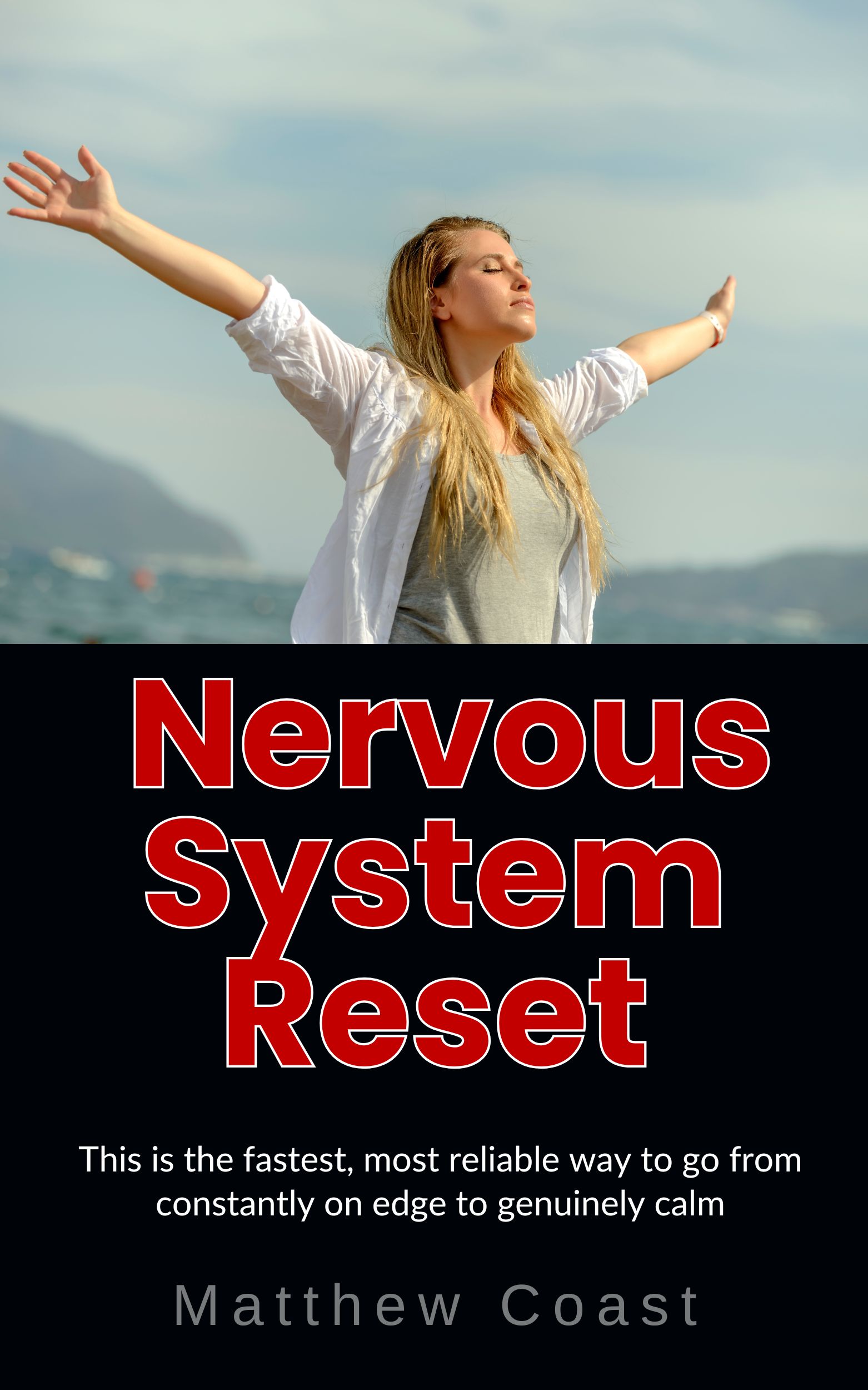
- Tools to use in real time when you feel yourself pulling away or going cold
- A personalized map of your nervous system states so you know what to do when walls go up
This program gives you everything you need to break through the Walls of Protection Block and start building the intimate, connected relationship you actually want.
Here's Everything You Get Inside The 14-Day Nervous System Reset
Inside The 14-Day Nervous System Reset, you'll get guided practices designed specifically to help you move from guarded and protected to open and connected.
Here's what you'll learn:
Here's What Women With Walls of Protection Block Are Saying...

"I stopped pushing good people away."
"I've spent years sabotaging relationships the moment they got real. After using the nervous system tools, I finally stayed present when my boyfriend said 'I love you' instead of immediately creating distance. We're still together and I actually feel safe."
- Emma
"I can tolerate closeness now without panicking."
"I used to go cold the second someone tried to get close. The regulation practices helped me stay in moments of vulnerability without my body red-lining. I'm dating someone wonderful and I haven't run yet."
- Claire
"I didn't realize how much I was living in protection mode."
"The program helped me see that my 'independence' was actually just walls. I learned how to soften without losing myself. My walls are still there, but they're not automatic anymore—I can choose when to let someone in."
- Sarah
"We repaired in hours instead of weeks."
"I used to shut down during conflict and stay distant for days. The reset tools helped me come back to connection faster. My partner and I can actually repair now instead of me disappearing every time things get hard."
- Rachel
"I finally feel like I can let someone see the real me."
"I spent so long keeping everyone at surface level. These practices taught my body that vulnerability doesn't have to mean pain. I'm in a relationship now where I actually let him in—and it feels safe."
- Nicole
Here's How To Get The 14-Day Nervous System Reset Today
The 14-Day Nervous System Reset contains everything you need to break through the Walls of Protection Block and finally let love in.
This isn't about forcing yourself to be vulnerable or waiting until you feel ready.
This is about teaching your nervous system, through gentle daily practices, that it's safe to be open.
Normally, this kind of comprehensive nervous system program would cost $197 or more.
Private coaching clients pay hundreds per session for these exact tools.
But right now, you can get instant access to The 14-Day Nervous System Reset for just $27.
That's it. One payment of $27 for the complete program.
Why Such a Low Price?
Because I know how exhausting it is to keep pushing people away when all you really want is connection.
And I don't want price to be the reason you stay stuck when the solution is right here.
The longer you go without regulating your nervous system, the thicker your walls become. The harder it gets to let anyone in.
I don't want you to spend another year alone, convinced you're incapable of intimacy, when the truth is your body just needs to learn that vulnerability is safe.
This price could go up at any time—so if you're seeing this offer, take advantage of it now.
Plus, You're Protected By My 60-Day Money-Back Guarantee
I'm so confident The 14-Day Nervous System Reset will help you finally let people in that I'm removing all the risk.
Here's my promise:
Get The 14-Day Nervous System Reset right now. Go through the entire program. Practice the regulation tools daily for two full months.
Notice how your walls start to soften. How you can stay present in moments of closeness instead of shutting down. How you stop sabotaging good relationships.
If you don't feel a meaningful shift—if your nervous system doesn't feel safer, if you're still automatically pulling away from everyone—simply email our support team at support@matthewcoast.com and we'll promptly refund you.
No questions asked. No hard feelings.
You have two full months to decide if this is right for you.
You literally have nothing to lose.
The Walls of Protection Block Gets Stronger Every Day You Wait
Here's the truth: The longer your nervous system stays in protection mode, the more automatic your walls become.
Every time you pull away reinforces the pattern. Every person you push away teaches your body that closeness equals danger.
But if you take action TODAY, you can start teaching your body a new pattern.
The 14-Day Nervous System Reset shows you exactly how to shift from protection to connection, from walls to vulnerability, from isolation to intimacy.
Don't waste another week pushing away people who could have been good for you when the solution is right here.
Common Questions About The 14-Day Nervous System Reset
Q: How is this different from therapy or other programs I've tried?
Most therapy and programs focus on understanding your walls... why you have them, where they came from, what they mean.
The 14-Day Nervous System Reset focuses on regulation... teaching your body, at a somatic level, that it's safe to be vulnerable. You're not analyzing your patterns; you're rewiring your nervous system through daily practices that signal safety to your body.
Q: What if I'm not ready to let anyone in yet?
You don't have to be dating or in a relationship to benefit from this program. These tools help you feel safer in your own body first... which is the foundation for eventually being able to let someone in.
You can practice regulation on your own timeline, and when you're ready to open up to someone, your nervous system will be prepared instead of in constant protection mode.
Q: Will this make me lose my boundaries or become too vulnerable?
Not at all. The program actually includes specific practices for setting micro-boundaries without guilt. Regulation doesn't mean becoming a doormat... it means being able to choose when to open and when to protect yourself, instead of your walls being automatic and rigid. You'll have more control, not less.
Q: What if I've been hurt really badly and my walls are really thick?
The program is designed to be gentle and trauma-informed. You won't be asked to force vulnerability or relive past pain.
The practices work at the body level to gradually expand your window of tolerance for closeness. Even if your walls are very thick, consistent practice over 14 days can create noticeable shifts.
Q: How long until I can actually let someone in?
Some women notice they can stay present in vulnerable moments within the first week. Others need the full 14 days to start feeling the shift.
The tools are designed to work cumulatively... the more you practice, the more your baseline changes. But you'll likely notice you're less reactive, less quick to pull away, and more able to tolerate closeness much sooner than you expect.
Q: What if I sabotage relationships even when I don't want to?
That's exactly what this program addresses. Sabotage isn't a conscious choice... it's your nervous system trying to protect you.
The practices teach your body that connection is safe, which reduces the automatic urge to sabotage. You'll have tools to use in real time when you feel the pull to create distance or push someone away.
Q: I'm already in a relationship but I keep pulling away. Will this help?
Yes. Many women in relationships use these tools to stay present during conflict, repair faster after shutting down, and gradually let their partner closer instead of keeping them at arm's length. The regulation practices work whether you're single, dating, or partnered.
Q: What if it doesn't work for me?
You're covered by a 60-day money-back guarantee. If you practice the tools and don't feel a meaningful shift in your ability to let people in, just email support and we'll promptly refund you. No questions, no hoops. You have two full months to decide if this is right for you.
Don't Let Walls of Protection Block Control Your Love Life Any Longer
Here's what you've learned today:
The Walls of Protection Block doesn't exist because you're broken, damaged, or incapable of love.
It exists because your nervous system learned that vulnerability equals danger... and now it's protecting you from the very thing you want most.
Without regulation tools that teach your body it's safe to be open, you'll keep pushing people away, sabotaging good relationships, and ending up alone even though being alone is the last thing you actually want.
But it doesn't have to be this way.
On the Other Side, Everything Is Different
On the other side of using The 14-Day Nervous System Reset, your love life looks completely different:
You're no longer automatically pulling away the moment someone gets close.
You're no longer sabotaging relationships just when they start to feel real.
You're no longer convinced you're incapable of intimacy.
Instead:
You know how to signal safety to your nervous system—so your walls soften instead of staying rigidly in place.
You can tolerate closeness without shutting down—someone shows genuine interest, asks real questions, or expresses care... and instead of your system spiking into panic, you can stay present.
You can let people in without losing yourself—vulnerability stops feeling like a threat and starts feeling like connection.
You can repair and reconnect quickly—when you do get triggered or pull away, you have tools to come back instead of staying distant for weeks.
The walls that once defined your love life are replaced by genuine connection with people you actually care about.
That's the relationship waiting for you on the other side of this decision.
They Were Exactly Where You Are Right Now
The women whose stories you read earlier—Emma, Claire, Sarah, Rachel, Nicole—they were exactly where you are right now.
Pushing people away. Sabotaging good relationships. Convinced they were incapable of real intimacy.
They used The 14-Day Nervous System Reset. And everything changed.
Emma stopped sabotaging and stayed present when her boyfriend said "I love you."
Claire can tolerate closeness now without panicking and hasn't run from the wonderful person she's dating.
Sarah's walls are still there, but they're not automatic anymore—she can choose when to let someone in.
Now it's your turn.
This Is a No-Brainer Decision
For just $27—less than a single therapy session—you're getting the complete 14-Day Nervous System Reset that has helped thousands of women break through their walls and finally let love in.
You're protected by a 60-day money-back guarantee, so there's literally zero risk.
The only question is: are you ready to stop pushing people away and start building the intimate, connected relationship you actually want?
Your future self—the one who can let people in without her system red-lining, who feels safe enough to be vulnerable, who's finally in a relationship that feels real and connected—will thank you for taking action today.
I'll see you inside,
Matthew Coast
P.S. Remember: Your walls aren't permanent. Your nervous system can learn a new pattern. The practices in The 14-Day Nervous System Reset could change your entire love life starting with your very next vulnerable moment. Click the button above and get instant access now.

Commitment Connection
© Copyright CommitmentConnection.com. All Rights Reserved